Understanding Spider Coupling and Its Benefits for Efficiency?
spider coupling is an essential component in modern mechanical systems. It plays a significant role in enhancing efficiency. This flexible connection allows for misalignment and vibration damping. Thanks to its design, spider coupling can reduce shock loads, extending the lifespan of machinery. However, it is not without challenges. The selection of the right type of spider coupling can be complex.
Many industries benefit from using spider couplings. From automotive to manufacturing, these components help optimize performance. They come in various materials and sizes, suitable for different applications. Defining the right specifications can be difficult, requiring careful consideration. Some users may face installation issues or maintenance challenges.
Despite these minor flaws, the advantages of spider coupling are compelling. Improved energy transmission and reduced wear are key benefits. These elements contribute to greater overall efficiency in operations. Understanding spider coupling is crucial for engineers and technicians. It encourages reflection on existing systems and potential upgrades. Embracing this technology could lead to significant productivity gains.
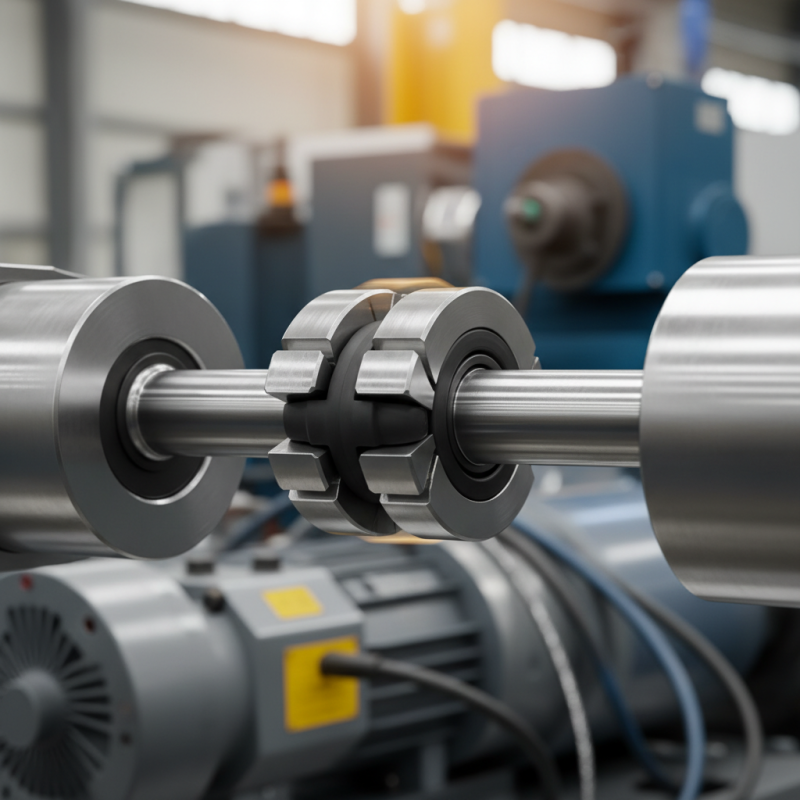
What is Spider Coupling: Definition and Overview
Spider coupling is an innovative mechanical component used to connect shafts. This design features multiple flexible arms or "spiders" that allow for some misalignment. The flexibility of spider couplings enables efficient torque transmission while absorbing shock loads. This adaptability is crucial in various applications, including machinery and conveyor systems.
In essence, spider couplings offer a unique blend of performance and durability. They can accommodate minor misalignments, which is key in dynamic environments. The material used impacts their longevity. Over time, some materials may degrade, leading to potential failures. Users should regularly inspect the condition of couplings to prevent unexpected downtime.
Another notable aspect is the ease of installation and maintenance. Unlike traditional couplings, spider designs can be quickly replaced or adjusted. However, this simplicity does not eliminate the need for proper alignment during setup. Misalignment can lead to increased wear. Understanding these nuances can enhance their effectiveness and prevent operational hiccups.
Understanding Spider Coupling Efficiency
This chart illustrates the key benefits of Spider Coupling, highlighting its efficiency, reliability, cost-effectiveness, maintenance ease, and installation advantages. Each metric represents a percentage value indicating the degree of benefit realized in various operational settings.
The Mechanism Behind Spider Couplings and How They Work
Spider couplings are essential components in various machinery. They facilitate the connection between shafts while allowing for misalignment. This feature is crucial in reducing wear and tear on equipment. The flexibility of spider couplings minimizes vibrations, contributing to a smoother operation. They can handle moderate shock loads, which enhances their usability across different applications.
The mechanism of spider couplings involves a central hub and flexible "spider" elements made from rubber or polyurethane. These flexible elements absorb shocks and accommodate angular misalignment. The construction allows the coupling to effectively transmit torque while maintaining a level of adaptability. However, ensuring the right material is chosen is vital. Poor selections can lead to rapid degradation and lower efficiency.
Regular inspection and maintenance are often overlooked. Over time, spider couplings can wear out, leading to mechanical failure. Users may find themselves unaware of the signs of wear, like excessive vibration or noise, until it's too late. This highlights the importance of routine checks. By paying attention to these details, one can significantly prolong the life of spider couplings.
Benefits of Using Spider Couplings for Industrial Applications
Spider couplings offer various benefits for industrial applications. They connect shafts while allowing for misalignment. This flexibility is crucial in reducing wear and tear on machinery. A spider coupling's design creates space for shock absorption. This ability protects sensitive equipment.
When choosing spider couplings, consider the operational environment. Dust, moisture, or extreme temperatures can affect performance. Spider couplings might require more frequent inspections in harsh conditions. Be mindful of these factors to maintain efficiency.
Tips: Always check alignment before installation. Misalignment can lead to premature failure. Regular maintenance is essential to extend the lifespan of the coupling. Adjustments might be needed to ensure optimal performance. Choosing the right material can also impact durability. Each system has unique demands; reflect on those needs carefully.
Comparative Analysis: Spider Couplings vs. Other Coupling Types
Spider couplings are unique in their ability to absorb shocks and vibrations. This can lead to lower wear on connected components. Compared to traditional rigid couplings, spider couplings offer greater flexibility. They excel in applications where misalignment occurs. The elastomeric spider element allows for some movement, making it effective for driving shafts that experience shifts.
When comparing spider couplings to other types, such as rigid or bellows couplings, performance varies. Rigid couplings lack flexibility. They transmit loads directly, making them less forgiving. Bellows couplings offer great precision but can suffer from fatigue. Spider couplings, on the other hand, strike a balance. They provide some level of alignment tolerance while damping vibrations effectively.
Of course, there are trade-offs. Spider couplings may not handle very high torque levels as well as rigid designs. They could also wear out faster under extreme conditions. Maintenance becomes essential to ensure longevity. If not monitored, spider couplings can degrade, leading to inefficiency. Understanding these aspects is crucial for optimal performance.
Maintenance and Troubleshooting for Optimal Spider Coupling Performance
Spider couplings are essential components in various machinery. They provide flexibility and shock absorption, which help in the efficient operation of equipment. However, maintenance is key to ensuring optimal performance. Regular inspections can prevent failures. Look for wear and tear on the spider element, which may need replacement.
Tips: Check for unusual vibrations during equipment operation. If you hear any odd noises, further inspection is necessary. These signals often indicate that something is amiss. Addressing such issues early can save you time and money.
Troubleshooting spider couplings can be straightforward. Ensure proper alignment between connected shafts. Misalignment can lead to excessive wear. Lubrication is also crucial. Use the right amount to avoid overgreasing, as this can attract debris. Regularly clean the coupling area to keep it free of contaminants. Frequent checks can prolong the life of your coupling. Don’t overlook any signs of trouble; they often indicate underlying issues.